Choosing the right roofing material is one of the most important decisions homeowners make when replacing a roof. In Ohio, our weather conditions like heavy snow, spring storms, high winds, and freeze–thaw cycles all play a role in how well a roofing system performs over time.
Two of the most common roofing options are asphalt shingles and metal roofing. Each has its own advantages depending on budget, appearance, and your long-term goals. Let's take a closer look at how each roofing option performs for homeowners in the Mahoning Valley and Northeast Ohio.
Durability in Ohio Weather
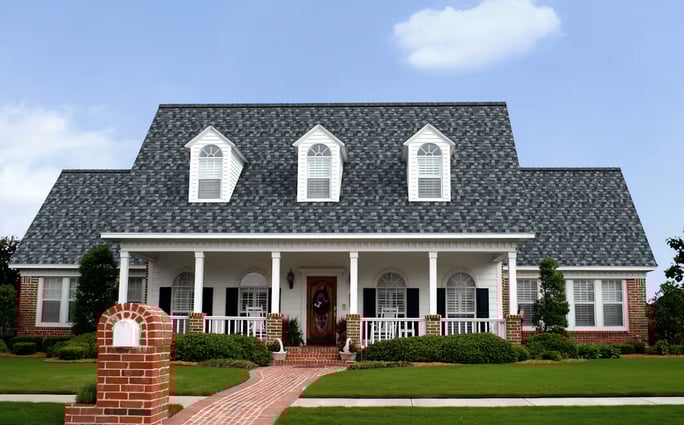
Ohio roofs must withstand everything from winter ice and snow to strong spring storms and summer heat. The roofing material you choose can play a major role in how well your roof handles these conditions over time.
Asphalt Shingles
Asphalt shingles are the most commonly installed roofing material in the United States.
Advantages include:
- Designed to handle wind and snow loads
- Widely available and affordable
- Typically last 20–30 years with proper installation
- Easy to repair if damage occurs
However, asphalt shingles can gradually deteriorate due to extreme temperature swings and weather exposure over time.
Metal Roofing
Metal roofing has become increasingly popular for homeowners looking for long-term durability.
Metal roofs typically:
- Last 40–70 years
- Shed snow and ice easily
- Resist wind damage very well
- Require minimal maintenance
Because of their strength and longevity, many homeowners consider metal roofing a long-term investment.
Cost Comparison
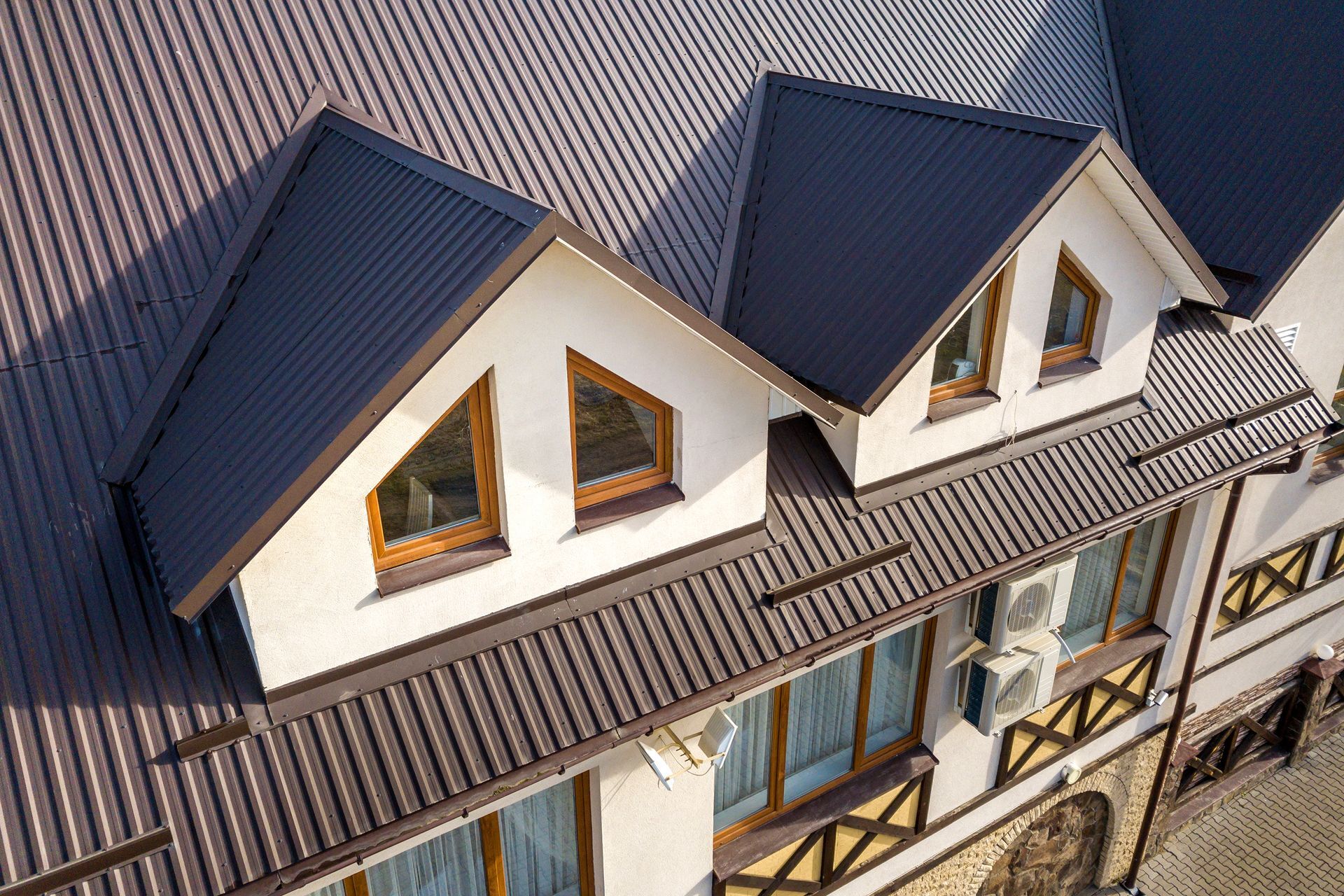 Cost is often one of the biggest deciding factors when replacing a roof. Understanding both the upfront investment and long-term value can help homeowners choose the option that best fits their budget.
Asphalt Roofing
Asphalt shingles are generally the most budget-friendly option.
Benefits include:
- Lower upfront installation cost
- Faster installation process
- Widely available materials
For many homeowners, asphalt shingles provide reliable protection without a large upfront investment.
Metal Roofing
Metal roofing typically requires a higher upfront investment, but it can provide long-term value due to its lifespan.
Benefits include:
- Long service life
- Low maintenance needs
- Potential energy savings
For homeowners planning to stay in their home long-term, metal roofing can sometimes result in lower lifetime roofing costs.
Financing options are often available to help homeowners manage larger roofing projects.
Home Insurance Considerations
Many homeowners wonder whether their roofing material affects home insurance. In some cases, insurance companies may consider durability and fire resistance when evaluating roofing materials.
Metal roofs are sometimes viewed favorably by insurers because they are:
- Fire resistant
- Highly durable
- Resistant to wind damage
That said, asphalt shingles are still the most widely accepted and commonly insured roofing material in the United States. Because insurance policies vary, it’s always a good idea to check with your provider to see how roofing materials may affect your coverage or premiums.
Questions Homeowners Should Ask Their Insurance Company About Roofing
Before choosing a roofing material, homeowners may want to speak with their insurance provider to understand how different roofing systems are covered.
Insurance policies vary widely, and asking the right questions can help avoid surprises if storm damage occurs.
Here are some helpful questions homeowners may want to ask.
Questions to Ask About Asphalt Shingle Roofs
Because asphalt shingles are the most common roofing material in the United States, many insurance policies are already structured around them.
1. Is my roof covered for replacement cost or actual cash value?
Some policies only pay the depreciated value of an older roof rather than the full replacement cost.
2. Is there a separate deductible for wind or hail damage?
In storm-prone areas, insurers sometimes have higher deductibles for weather-related claims.
3. Are impact-resistant shingles eligible for a discount?
Some insurance companies offer premium discounts if homeowners install Class 4 impact-resistant shingles, which are designed to withstand hail better.
4. How does roof age affect coverage?
Some policies reduce coverage once a roof reaches a certain age, often around 10–15 years.
5. Are partial repairs allowed or would the entire roof be replaced if damaged?
This can matter if only one section of the roof is damaged in a storm.
Questions to Ask About Metal Roofs
Metal roofs are extremely durable, but insurance coverage sometimes treats cosmetic damage differently.
1. Does my policy cover cosmetic hail damage to metal roofing?
Some policies only cover functional damage (damage that affects performance), not dents that are purely cosmetic.
2. How does the insurance company define functional vs cosmetic damage?
Understanding this definition can help homeowners know what would qualify for a claim.
3. Will installing a metal roof reduce my insurance premium?
Because metal roofs are fire resistant and durable, some insurers offer discounts.
4. Does my policy cover panel replacement if one section is damaged?
Matching metal panels later can sometimes be difficult depending on the roof style and age.
5. Are standing seam metal roofs treated differently than exposed fastener systems?
Different metal systems may perform differently during storms.
Questions That Apply to Any Roofing System
Regardless of roofing material, homeowners may also want to ask:
• Does my policy include cosmetic damage exclusions?
This is increasingly common in hail-prone regions.
• Will my deductible change if I file a roof claim?
• Are there discounts for installing higher-rated roofing materials?
• Does my policy cover full roof replacement if matching materials are unavailable?
• Is wind damage treated differently than hail damage?
Why These Questions Matter
Understanding insurance coverage ahead of time can help homeowners make a more informed roofing decision.
While both asphalt shingles and metal roofing can perform very well when installed correctly, insurance policies sometimes treat damage differently depending on the material and the type of storm damage.
Speaking with an insurance provider before replacing a roof can help homeowners choose a roofing system that fits both their budget and their long-term protection needs.
Storm and Hail Resistance
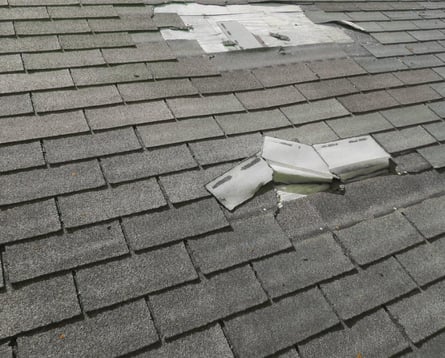
Ohio weather can be unpredictable, especially during spring storm season. Choosing a roofing system designed to handle wind, hail, and heavy rain can help protect your home during severe weather events.
Both roofing systems perform well when properly installed, but they react differently to severe weather.
Asphalt Shingles
- Designed to absorb impact
- Impact-resistant shingles are available
- Some architectural shingles offer strong wind ratings
Metal Roofing
- Highly resistant to wind uplift
- Excellent snow-shedding ability
- Durable against many types of storm damage
Some metal panels may dent from very large hail depending on the style and thickness of the metal.
Proper installation is critical for both systems to perform well during storms.
Noise Considerations
A common question homeowners ask is whether metal roofs are noisy during rain or storms. Advances in modern roofing installation methods have significantly reduced sound transfer compared to older metal roofing systems.
Modern residential metal roofing is installed over solid roof decking and insulation, which helps reduce sound transfer.
In most homes, the difference in sound between metal roofing and asphalt shingles is minimal when installed properly.
Appearance and Curb Appeal
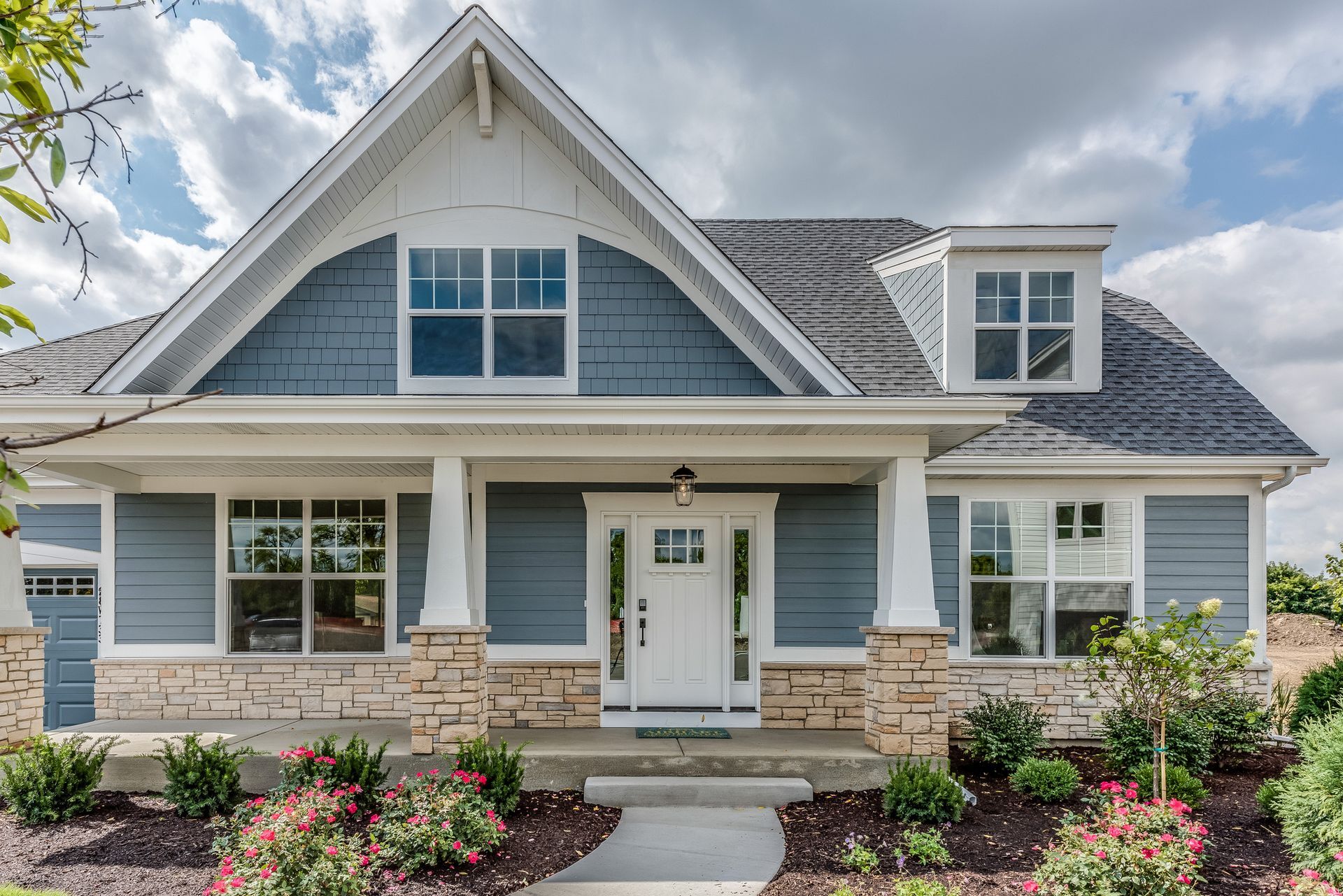
Roofing plays a major role in a home’s curb appeal. The style, color, and material you choose can significantly influence the overall look and character of your home. Stop by our Design Center page and visualize different options for your home.
Asphalt Shingles
Asphalt shingles offer:
- Traditional residential appearance
- Wide variety of colors and textures
- Compatibility with most home styles
Metal Roofing
Metal roofs can offer:
- Modern or farmhouse aesthetics
- Clean architectural lines
- Unique color options
Both roofing systems can significantly improve curb appeal when chosen carefully.
Energy Efficiency
Energy efficiency is another factor some homeowners consider when selecting roofing materials. Roof design, material, and color can all influence how much heat your home absorbs during warmer months.
-
Metal roofing reflects sunlight more efficiently, which may help reduce heat absorption during summer months.
-
Some modern asphalt shingles are also designed with reflective granules that improve energy efficiency.
Choosing the right roofing color and ventilation system can help improve a home's overall energy performance.
Which Roofing Option Is Right for Your Home?
The best roofing system depends on several factors unique to each home.
Understanding your priorities can help determine whether asphalt shingles or metal roofing is the better fit.
- Budget
- Long-term plans for the home
- Desired appearance
- Structural considerations
- Weather exposure
A professional roofing consultation can help homeowners determine the best solution for their specific home.
Serving Mahoning Valley Homeowners Since 1972
Choosing the right roofing contractor is just as important as choosing the right roofing material. Working with an experienced team can help ensure your roof is installed properly and built to last.
Valantine Roofing has helped homeowners choose reliable roofing systems for over five decades.
As an Owens Corning Preferred Contractor, we install trusted asphalt roofing systems backed by manufacturer standards while also offering quality metal roofing options.
Our team understands the unique challenges that Ohio weather presents and helps homeowners make informed decisions.
Schedule a Free Roofing Consultation
We hope you have found this information helpful! If you are considering a roof replacement and weighing the pros and cons of metal roofing versus asphalt shingles, our team would be happy to help.
Schedule a free roof inspection and consultation today.