A Northeast Ohio Homeowner’s Guide to Wind, Hail, Falling Debris, and the Damage You May Not See From the Ground
When severe weather moves through Northeast Ohio, the damage is not always obvious.
Sometimes it is.
-
A tree limb lands on the house.
-
Shingles end up in the yard.
-
A gutter pulls away from the roof.
-
Water starts coming through the ceiling.
Other times, the house looks completely normal from the driveway.
That is what can make storm damage difficult for homeowners to evaluate. A roof can take the brunt of strong wind, hail, or flying debris without showing dramatic damage from the ground.
Recent July storms throughout Mahoning County have been a reminder of just how powerful our weather can become. High winds have brought down trees, damaged gutters, loosened roofing materials, and affected homes throughout Boardman, Canfield, Austintown, Poland, and surrounding communities. The Summer of 2026 will be remembered!
Knowing what to look for after a storm can help you decide whether your home simply needs a quick visual check or whether it is time to have the roof professionally inspected.
Storm Damage Does Not Always Mean a Missing Shingle
A missing shingle is one of the easiest problems to recognize, but it is only one form of storm damage.
Strong winds can lift shingles without completely removing them. Once the wind gets underneath a shingle, it may loosen the seal that helps keep the roofing system secure.
The shingle can settle back into place afterward and look normal from the ground.
That is why a roof may appear intact after a storm even when sections have been loosened or damaged.
A professional inspection may reveal:
• Lifted or loosened shingles
• Creases or cracks caused by wind movement
• Missing shingles
• Damage along roof edges
• Loose or damaged flashing
• Damage around vents, chimneys, skylights, or other roof penetrations
• Areas where debris struck the roof
The extent of the damage matters. A small isolated problem may require a repair rather than a complete roof replacement.
What Wind Damage Can Look Like
Wind does not affect every roof the same way.
Roof shape, age, material, installation, surrounding trees, and the direction of the wind can all influence what happens during a storm.
The edges and corners of a roof can be particularly vulnerable because wind may be able to get underneath the roofing material more easily in those areas.
After severe weather, homeowners may notice shingles in the yard, uneven sections along the roofline, loose gutters, damaged flashing, or pieces of roofing material on the ground.
But some wind damage is difficult to identify without getting closer to the roof surface.
This was especially evident during the severe weather that moved through our area this summer. While tornado damage received much of the attention, powerful straight line winds also caused extensive damage across portions of Mahoning County.
For homeowners, the label attached to the storm matters less than what happened to the house.
Wind is wind when it is pulling at your roof.
What Hail Damage Actually Looks Like
Hail damage can be even harder to identify.
Unlike a missing shingle, hail damage may appear as relatively small impact areas on the surface of asphalt shingles.
Depending on the size of the hail, the age of the roof, and the intensity of the storm, an inspector may find areas where granules have been displaced or where the roofing material has been affected by repeated impacts.
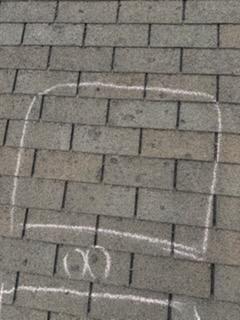
The photographs taken during an inspection, like the one pictured above from a roof in Boardman, often look very different from what a homeowner expects.
Instead of a giant hole in the roof, you may see a small area circled in chalk where an impact occurred.
That is exactly why hail damage should not be diagnosed from a photograph on the internet or from the sidewalk.
Not every mark on a shingle is storm damage, and not every storm creates damage that requires replacement.
A professional inspection helps separate normal wear from damage caused by a specific weather event.
Trees and Flying Debris Can Create a Second Layer of Damage
Storm damage does not always come directly from wind or hail.
Branches, tree limbs, and other debris can strike roofing materials, gutters, siding, and flashing during severe weather.
Even smaller branches can scrape shingles or damage roof edges when driven by strong winds.
Large limbs can create obvious structural damage, but smaller impacts may be more difficult to notice.
Trees that grow close to the home can also drop leaves, twigs, and debris into gutters and roof valleys after a storm.
We recently covered this topic in our homeowner guide about trees and roof maintenance, including how proper tree clearance and seasonal maintenance can help reduce preventable roof problems.
After a severe storm, checking the trees around the home is just as important as checking the roof itself.
 Do Not Forget About Your Gutters
Gutters often tell part of the story after a storm.
Strong winds, falling limbs, and heavy debris can bend gutters, pull sections away from the fascia, damage downspouts, or create clogs that prevent water from draining properly.
You may notice:
• Gutters pulling away from the roofline
• Dented or twisted sections
• Loose downspouts
• Water overflowing during rain
• Leaves and storm debris packed inside the gutter
• Granules collecting near downspouts
A damaged gutter may seem separate from the roof, but the two systems work together.
Your roof moves water away from the home, and your gutters carry that water safely to the ground.
When either one stops doing its job, water can begin affecting fascia, soffits, siding, landscaping, and areas around the foundation.
What You Can Safely Check From the Ground
You do not need to climb onto your roof after every thunderstorm.
In fact, we would rather you did not.
A wet or storm damaged roof can be dangerous, and some damaged materials may not be secure.
Instead, walk around the property once conditions are safe and look up from the ground.
Check for:
• Shingles or pieces of roofing material in the yard
• Sections of roof that suddenly look uneven
• Fallen branches
• Damaged gutters or downspouts
• Loose siding
• Debris collecting on the roof
• Damage around chimneys or roof edges that can be seen safely from below
Inside the home, look for water stains, damp areas, unusual attic moisture, or signs that water has entered around ceilings or walls.
If you notice something that looks different after the storm, take photographs from a safe location.
Those photographs can be useful later if the roof needs to be evaluated.
What Not to Do After a Storm
Severe weather creates urgency, but urgency does not mean you need to make an immediate decision about replacing your roof.
First, stay off the roof.
Second, do not assume that every visible problem means you need an entirely new roofing system.
And third, be cautious about signing paperwork before you understand what damage actually occurred and what work is being recommended.
Major storms often bring unfamiliar contractors into affected neighborhoods. Some are legitimate companies helping meet an enormous demand for repairs. Others may disappear once storm season moves somewhere else.
Working with an established local contractor gives you someone who will still be here after the storm cleanup is finished.
Valantine Roofing has served homeowners throughout the Mahoning Valley since 1972.
What Happens If the Roof Cannot Be Repaired Immediately?
Sometimes the first priority is simply keeping additional water out of the home.
If a roof has an exposed or damaged area and permanent repairs cannot be completed immediately, temporary protection may be appropriate.
Depending on the condition of the roof, weather, accessibility, and safety, a roofing crew may install a tarp or take other temporary measures to protect the damaged area until permanent repairs can be made.
Temporary protection is not the repair itself. It simply helps limit additional exposure while the roof is evaluated and the appropriate materials and repair plan are put in place.
Repair or Replacement?
This is one of the biggest questions homeowners have after storm damage.
The answer depends on the roof.
A relatively small damaged area may be repairable, but more widespread damage, an older roofing system, repeated failures, or damage affecting multiple areas may lead to a different recommendation.
A good inspection should answer the question before anyone starts talking about selling you a roof.
At Valantine Roofing, we evaluate the condition of the roofing system and explain what we find.
Sometimes the answer is a repair. Sometimes roof replacement makes more sense.
And sometimes the best news we can give a homeowner is that the roof is fine.
What About Insurance?
Homeowners insurance may cover some types of storm damage, but coverage depends on the cause of the damage and the terms of the individual policy.
The roofing contractor does not determine whether a claim is covered. That decision belongs to the insurance company under the terms of the policy.
What a contractor can do is document the condition of the roof, identify visible damage, provide photographs, and explain the repairs that may be needed.
Valantine Roofing has a licensed insurance adjuster on staff who can help homeowners understand the claims process and the information involved when storm damage is being evaluated.
If you believe your home may have been damaged, document what you can safely see and review your policy or contact your insurance company if a claim may be necessary.
When Should You Have the Roof Inspected?
Not every thunderstorm requires a professional roof inspection.
But it is worth considering one when:
• Your neighborhood experienced unusually strong winds or hail
• Trees or large limbs came down nearby
• You find shingles or roofing materials in your yard
• Gutters or siding were damaged
• You notice a leak or interior water stain
• The roof looks different after the storm
• Nearby homes experienced significant roofing damage
If you are uncertain, an inspection can provide an answer.
The point is not to find a problem where one does not exist.
The point is to know.
Homeowner Takeaway
Storm damage is not always dramatic, and it is not always visible from the driveway.
Wind can loosen roofing materials without carrying them away. Hail can create small impact areas. Trees and flying debris can damage shingles, gutters, and flashing. Water may find its way into places that are difficult to see until the next heavy rain.
After severe weather, take a safe look around your property and pay attention to anything that has changed.
If something does not look right, have it evaluated.
Valantine Roofing has been helping homeowners throughout Mahoning, Trumbull, and Columbiana counties protect their homes since 1972. Whether your roof needs a small repair, temporary protection, a complete replacement, or simply the reassurance that everything is still in good condition, our goal is to give you a clear picture of what is happening so you can make an informed decision.
If you think you have storm damage, or if you see the signs we discussed, please reach out to us, we are here to help!